
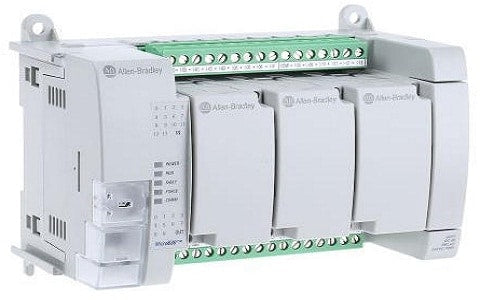
Industrial automation systems form the backbone of modern manufacturing. Programmable Logic Controllers (PLCs), I/O modules, sensors, and drives control everything from assembly lines to packaging systems. While automation technology continues to evolve, many production facilities still rely on control systems that were installed years or even decades ago.
Because of this long equipment lifecycle, one of the biggest challenges maintenance teams face is sourcing replacement automation components when older modules fail.
The Reality of Discontinued Automation Hardware
Automation manufacturers regularly introduce new product lines and discontinue older components. However, factories do not always upgrade their systems at the same pace. A control system that has been running reliably for many years may still depend on modules that are no longer produced by the original manufacturer.
When a critical PLC module fails, replacing the entire control system is often not practical. System upgrades can require engineering time, reprogramming, validation, and production downtime. For many facilities, the fastest and most cost-effective solution is to replace the failed component with an identical or compatible module.
This is where the market for surplus and hard-to-find automation parts becomes extremely valuable.
The Cost of Downtime in Manufacturing
Unexpected equipment failures can have a major impact on production. In industries such as pharmaceuticals, food processing, automotive manufacturing, and packaging, even a short interruption can disrupt operations and create costly delays.
Maintenance teams are often under pressure to restore production as quickly as possible. Having access to replacement automation modules can significantly reduce downtime and help keep production lines operating.
In many cases, sourcing a replacement PLC module or I/O card from a surplus supplier can allow operations to resume within hours rather than days.
Why Surplus Automation Parts Matter
Surplus industrial automation components help extend the life of existing control systems. Instead of replacing an entire automation platform, facilities can install a compatible module and continue operating with minimal disruption.
This approach offers several benefits:
-
Reduced downtime when components fail
-
Lower costs compared to full system upgrades
-
Continued use of reliable control platforms
-
Access to replacement parts for discontinued equipment
Because many automation components are designed for long service life, they remain useful long after their original production has ended.
Planning a Spare Parts Strategy
Experienced maintenance teams often develop a spare parts strategy for critical automation systems. By keeping commonly used modules available on site, they can quickly replace failed components and restore normal operations.
Typical spare automation components may include:
-
PLC input and output modules
-
Communication modules
-
Power supplies
-
Sensors and field devices
-
Control relays and interface modules
Maintaining a small inventory of these parts can prevent extended downtime when unexpected failures occur.
Supporting Long-Term Automation Systems
Industrial automation systems are built to operate reliably for many years. Many facilities continue to run proven control systems because they are stable, well understood, and integrated into existing production processes.
As a result, the secondary market for industrial automation parts continues to play an important role in keeping factories operational. Suppliers that specialize in surplus and hard-to-find components help maintenance teams locate the parts they need when standard distribution channels no longer carry them.
Suppliers such as NXGParts.com focus on sourcing industrial automation components including PLC modules, sensors, drives, and other replacement parts that help support existing control systems.
While automation technology continues to advance, many manufacturing operations will rely on existing PLC platforms for years to come. When critical components fail, access to reliable replacement parts becomes essential to maintaining productivity and minimizing downtime.
Understanding the value of surplus automation components helps maintenance teams keep production running efficiently and avoid costly disruptions.